
Are you insured? 1 Crucial Renovation Risk
Why Renovation Insurance Can Make or Break Your Project
Are you insured? This simple question should be the first thing you ask any contractor before they step foot on your property. The answer determines whether your dream renovation becomes a success story or a financial nightmare.
Quick Answer: Essential Insurance Coverage to Verify
- General Liability Insurance – Covers accidental property damage and third-party injuries
- Workers’ Compensation – Protects you from liability if workers get injured on your property
- Valid Florida Contractor License – Ensures legal operation and contract enforceability
- Current Certificate of Insurance (COI) – Provides proof of active coverage with policy details
The stakes couldn’t be higher. In Florida, hiring an unlicensed or uninsured contractor can leave you personally liable for injuries, with fines up to $50,000, and contracts that have zero legal value. One homeowner finded this the hard way when their “contractor” faked his own death to avoid returning their deposit, leaving them with a torn-up house and no legal recourse.
The bottom line: Your financial protection depends entirely on who you hire and whether they carry proper insurance coverage.
I’m Jeff Lexvold, and over my two decades in construction and home renovation, I’ve seen how the question “Are you insured?” separates professional contractors from those who put homeowners at serious financial risk. After personally working on over 1,000 homes and earning my Florida state contractor’s license, I’ve learned that proper insurance isn’t just paperwork – it’s your shield against catastrophic liability.
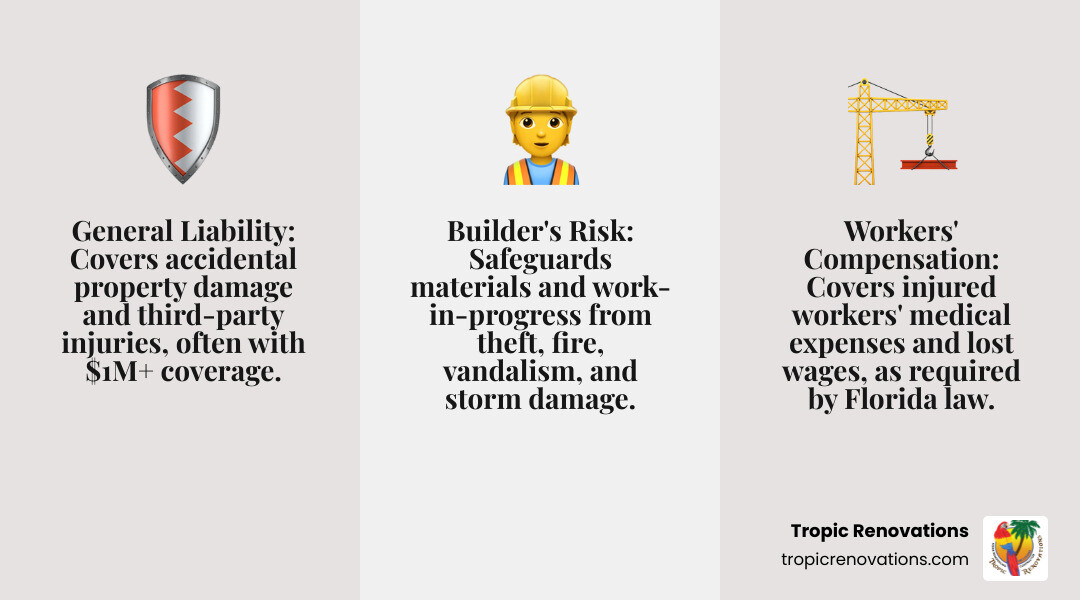
Are you insured? terms you need:
The High Stakes of Hiring: Why Contractor Insurance is Non-Negotiable
Picture this: you’re watching your dream bathroom renovation come together when suddenly a worker falls through your ceiling. If your contractor isn’t properly insured, that accident could cost you tens of thousands of dollars in medical bills and lawsuits. This is exactly why “Are you insured?” isn’t just a polite question – it’s your financial lifeline.
Here in Florida, we’ve got some of the strictest building codes in the country. There’s a good reason for that – hurricanes don’t mess around, and neither should your contractor. But with our booming renovation market, we’ve also seen a rise in fly-by-night operators who skip the licensing process entirely.
Getting a Florida contractor’s license isn’t easy. It involves financial scrutiny, credit checks, and even FBI background checks. The process takes months and costs thousands of dollars. So when someone offers to do your renovation for cash with no paperwork, there’s usually a reason they’re avoiding the official route.
At Tropic Renovations, we’re state-licensed home remodeling contractors serving Sarasota & Charlotte County. We went through all the proper channels because we believe your peace of mind is worth it. When you hire us, you’re not just getting skilled craftsmen – you’re getting full legal protection.
Learn more about unlicensed contractor risks in Florida
The Financial Risks of Uninsured Work
Story about the contractor who faked his own death? That wasn’t fiction – it really happened to a homeowner who thought they were saving money. When contractors disappear with your deposit or abandon your project halfway through, uninsured work leaves you with zero legal recourse.
But even contractors who stick around can cause expensive headaches. Faulty workmanship from uninsured operators often means cutting corners on materials, skipping proper installation techniques, or simply lacking the skills that come with professional training.
I’ve seen homeowners spend twice their original budget fixing botched tile work or replumbing an entire bathroom because someone didn’t know what they were doing. When your contractor isn’t insured, guess who pays for those mistakes? You do.
The worst part is that contracts with unlicensed contractors are legally void. Since they’re operating illegally, any agreement you signed with them has no standing in court. It’s like trying to enforce a contract for something that was never legal in the first place.
Liability for On-Site Accidents
Here’s where things get really scary. If a worker gets injured on your property and your contractor doesn’t carry Workers’ Compensation insurance, you become personally liable for their medical expenses, lost wages, and potentially long-term disability costs.
Your homeowner’s insurance wasn’t designed to cover workplace injuries on renovation sites. There are significant gaps in coverage, especially when uninsured workers are involved. An injured worker can sue you directly, and those costs can easily reach six figures.
Think of it like lending your car to someone without insurance. If they crash, you’re on the hook. When you hire an uninsured contractor, you’re essentially “lending” them your liability protection – and if something goes wrong, you’re the one paying the price.
At Tropic Renovations, we carry comprehensive Workers’ Compensation coverage for all our team members. We also never subcontract core trades, which means everyone working on your project is our direct employee, fully covered under our insurance policies.
Navigating Permits and Inspections
Florida’s building codes exist for good reason – we deal with hurricanes, humidity, and unique structural challenges. Most renovation work requires proper permits and inspections, and only licensed contractors (or homeowners themselves) can legally pull these permits.
Uninsured contractors often suggest skipping permits to “save time and money.” This is a massive red flag. Without permits, your renovation work isn’t legally recognized, which creates several problems.
Failed inspections can result in hefty fines and force you to tear out completed work to bring it up to code. Even worse, unpermitted work can seriously impact your home’s resale value. When buyers see unpermitted renovations, they often walk away or demand significant price reductions.
I’ve seen homeowners unable to sell their homes because previous unpermitted work raised red flags with lenders and inspectors. The cost of fixing these issues after the fact is always higher than doing it right the first time.
As licensed professionals, we handle all permit applications and inspections seamlessly. We actually welcome inspections because they verify that our work meets Florida’s high standards for safety and durability.
Are You Insured? De-coding the Policies That Protect Your Project
When a contractor confidently answers “Yes, we are insured!”, that’s music to your ears. But here’s where many homeowners stop asking questions, and that’s a mistake. The real question becomes: what type of insurance do they actually carry?
Not all insurance policies are created equal. Think of it like asking someone if they have a car. They might have wheels, but is it a reliable sedan or a rusty pickup that breaks down every other week? The same logic applies to contractor insurance.
There are three essential types of coverage that separate the professionals from the pretenders: General Liability, Workers’ Compensation, and Builder’s Risk. Each one protects a different piece of your renovation puzzle, and missing even one can leave you exposed to serious financial risk.
General Liability: Your First Line of Defense
General Liability insurance is like having a safety net stretched under your entire project. It’s designed to catch those “oops” moments that can happen even with the most careful contractors.
Picture this: Your contractor’s crew is installing new tile in your master bathroom. Someone accidentally bumps into your antique mirror in the hallway, sending it crashing to the floor. Or maybe a ladder slips and gouges your beautiful hardwood floors. These aren’t acts of negligence – they’re just accidents that happen during construction.
Property damage coverage means you won’t get stuck with the repair bill for damage that wasn’t your fault. Accidental damage protection covers those unforeseen mishaps that can pop up during any renovation project.
But it goes beyond just protecting your stuff. Third-party injury coverage is equally important. If your neighbor stops by to check out the progress and trips over a tool, or if a delivery driver gets hurt on your property because of construction materials, General Liability steps in to cover their medical expenses.
Coverage limits matter here. A professional contractor should carry at least $1 million in general liability coverage. That might sound like overkill, but when you consider that a single accident could easily cost tens of thousands of dollars, it’s actually quite reasonable. Subcontractor coverage is also crucial if your main contractor uses subcontractors for any part of the work.
Workers’ Compensation: Protecting People, Protecting You
Here’s where things get really serious. Workers’ Compensation isn’t just nice to have – it’s mandatory under Florida law for most construction companies. And thank goodness for that, because this coverage literally protects you from financial ruin.
If a worker gets injured on your property and your contractor doesn’t have Workers’ Comp, guess who that injured worker can sue? You. Directly. For their medical expenses, lost wages, and potentially years of disability payments. Your homeowner’s insurance probably won’t cover this scenario, leaving you completely exposed.
Lawsuit protection is the real value here. When a contractor has proper Workers’ Comp coverage, it creates a legal barrier that prevents injured workers from coming after you personally.
At Tropic Renovations, this is one area where we never cut corners. Our team has over 350 years of combined experience, and every single person working on your project is our direct employee – not a subcontractor. They’re all covered under our comprehensive Workers’ Compensation policy. This means if the unthinkable happens, our insurance handles it, not yours.
Are you insured with Builder’s Risk Insurance?
While General Liability covers accidents and Workers’ Comp covers people, Builder’s Risk insurance protects the actual renovation work and materials. This specialized coverage is designed specifically for construction projects.
Living in Southwest Florida, we know how quickly things can go wrong. Storm damage from hurricanes or severe weather can destroy months of work in a matter of hours. Fire damage can spread quickly through a construction site. Vandalism and theft of materials are unfortunately common, especially with high-end renovation materials sitting on job sites.
Here’s what many homeowners don’t realize: your regular homeowner’s insurance often has major gaps when it comes to covering renovations in progress. Your policy is designed to protect your completed home, not a construction zone filled with expensive materials and unfinished work.
Builder’s Risk insurance fills that gap. It’s specifically crafted for the unique risks of construction projects. This coverage shows that your contractor understands the full scope of what could go wrong and has taken steps to protect your investment from day one until project completion.
The difference between a contractor with comprehensive coverage and one with basic insurance can mean the difference between a smooth renovation experience and a financial nightmare. When you ask “Are you insured?”, make sure you’re getting the complete picture.
The Homeowner’s Role: Your Policy and Your Due Diligence
Understanding what insurance your contractor should carry is only half the battle. The other half? That’s on you. As a homeowner, you play a crucial role in protecting both your project and your wallet. This means rolling up your sleeves, asking the right questions, and understanding exactly what your own homeowner’s policy will and won’t cover during renovation.

At Tropic Renovations, we actually encourage our clients to verify everything we tell them. We want you asking tough questions because that’s how you know you’re working with professionals who have nothing to hide. When a contractor welcomes your scrutiny, that’s a green flag. When they get defensive or evasive? Run.
How to Verify Your Contractor’s Coverage
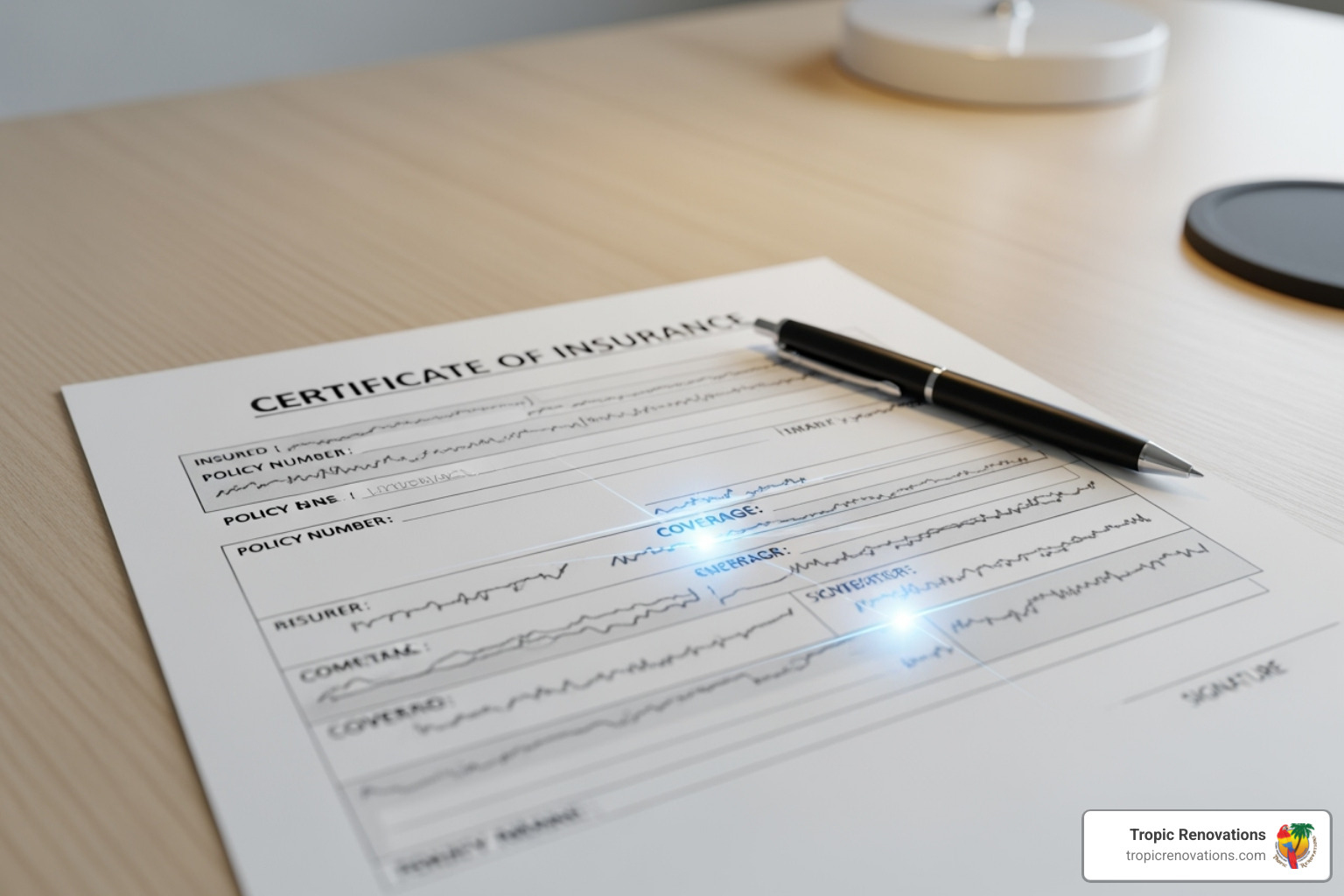
“Are you insured?” is just the beginning. The follow-up question should be “Can you prove it?” A legitimate contractor will hand over their Certificate of Insurance (COI) faster than you can finish asking. This document is like a report card from their insurance company, showing exactly what coverage they have and when it expires.
Here’s your verification game plan. First, request a current COI – not a photocopy from last year, not a screenshot from their phone. You want the real deal, fresh from their insurance agent. Next, check those dates carefully. Make sure their coverage spans your entire project timeline. There’s nothing worse than finding out your contractor’s policy expired halfway through your kitchen renovation.
Verify the coverage types listed match what they promised you. You should see General Liability, Workers’ Compensation, and ideally Builder’s Risk if it’s a major project. Check the business name on the certificate against their license and your contract – they should all match perfectly.
But here’s the most important step: call the insurance company directly. The COI lists their contact information for a reason. A quick phone call confirms the policy is real, active, and in good standing. It takes five minutes and could save you thousands.
Steps to verify a contractor’s license and insurance online:
- Visit Florida’s DBPR website to check contractor licenses by name or number.
- Use Florida’s Division of Workers’ Compensation online verification tool to confirm coverage.
- Contact the insurance company listed on the COI directly for policy confirmation.
- Look for the license number on all their marketing materials and vehicles.
Does Your Homeowner’s Insurance Cover Renovations?
Here’s where many homeowners get a rude awakening. Your homeowner’s insurance is fantastic for protecting your finished home, but it wasn’t designed for construction zones. Think of it this way: your policy covers your cozy living room, not your living room with exposed electrical wiring and a gaping hole where the wall used to be.
Most standard policies won’t cover contractor-related accidents. If their uninsured worker gets hurt, your policy likely won’t step in to help. Theft of materials sitting in your driveway? Probably not covered unless you specifically added that protection. Major structural changes can actually trigger policy exclusions that leave you vulnerable right when you need coverage most.
The smart move is calling your insurance agent before the first hammer swings. Let them know what you’re planning, how long it’ll take, and what kind of work is involved. They might suggest temporary endorsements or coverage adjustments that bridge the gaps during construction.
Don’t skip this step. We’ve seen homeowners get burned when they assumed their existing policy would cover everything. A quick conversation with your agent now prevents nasty surprises later.
Are you insured against faulty workmanship?
This is where insurance gets tricky, and contractor reputation becomes everything. General Liability covers accidents, not poor craftsmanship. If our plumber accidentally breaks your tile while installing a new shower, that’s covered. But if they install the shower pan incorrectly and it leaks six months later? That’s a workmanship issue, not an accident.
This is exactly why we stand behind every project with comprehensive warranties. Our 350+ years of combined technician experience means we get things right the first time. We don’t subcontract our core trades because we want complete control over quality. Every person working on your Sarasota or Charlotte County renovation is our direct employee, trained to our standards.
A contractor’s reputation and warranty are your real protection against faulty work. Check references, read reviews, and look at their portfolio. Ask pointed questions about their warranty coverage and what happens if something goes wrong after completion.
The bottom line? Insurance protects against accidents, but experience prevents problems. That’s why we complete projects in 6 months or less with dust-free renovation techniques. We’re not just insured – we’re invested in doing the job right.
Frequently Asked Questions about Renovation Insurance
Let’s tackle the questions we hear most often from homeowners in Sarasota and Charlotte County. These are the real concerns that keep people up at night when they’re planning their dream kitchen or bathroom renovation.
What is the single biggest risk of hiring an uninsured contractor?
The biggest risk is your personal financial liability for any injuries that occur on your property. This isn’t just about a scraped knee or minor bump. We’re talking about serious accidents that can happen on any construction site.
Picture this: An uninsured worker falls off a ladder while installing your new kitchen cabinets and breaks their back. Without Workers’ Compensation coverage, that injured worker can sue you directly for medical bills, lost wages, and even long-term disability costs. We’ve seen medical bills from construction accidents reach hundreds of thousands of dollars.
Your standard homeowner’s insurance typically won’t cover these costs when they involve workers from an uninsured contractor. You could be looking at financial devastation that takes years to recover from, all because you didn’t ask “Are you insured?” upfront.
At Tropic Renovations, this is exactly why we never subcontract our core trades. Every skilled craftsman working in your home is our direct employee, fully covered by our comprehensive Workers’ Compensation policy. Your liability exposure is virtually eliminated.
My contractor says they are “licensed and bonded.” Is that the same as being insured?
No, and this is a common misconception that trips up many homeowners. Think of these as three different types of protection that work together:
A license means the state of Florida has granted them legal permission to work as a contractor. It shows they’ve passed background checks, met financial requirements, and demonstrated competency. Without a valid license, any contract you sign with them is legally worthless.
A bond is like a safety net that protects you if the contractor fails to complete the job or commits theft. If they disappear with your deposit or steal materials, you can make a claim against their bond to recover some of your losses.
Insurance covers accidental property damage and liability for injuries. This is what protects you from the day-to-day risks of having construction work done in your home.
A truly professional contractor will have all three. Don’t settle for just “licensed and bonded” – you need the complete protection package. When we say we’re fully insured at Tropic Renovations, we mean comprehensive coverage that gives you complete peace of mind.
How much insurance should my contractor have?
For General Liability, your contractor should carry at least $1 million in coverage. This might sound like a lot, but it’s actually standard in our industry. Consider that if a worker accidentally damages your neighbor’s expensive car or causes a water leak that affects multiple rooms, costs can escalate quickly.
For Workers’ Compensation, they must carry whatever amount Florida state law requires based on their number of employees and type of work. This isn’t optional – it’s mandatory for most construction businesses in our state.
Here’s the thing: a professional contractor won’t hesitate when you ask for proof of insurance. We’re proud of our coverage and happy to provide current certificates. If a contractor seems reluctant or makes excuses about providing documentation, that’s a major red flag.
The bottom line is simple. Are you insured? should be one of your first questions, and the answer should come with documentation you can verify. Your renovation is too important to leave to chance.
Conclusion: Building with Confidence
Your home renovation journey should be filled with excitement, not anxiety about what could go wrong. When you ask “Are you insured?” and receive a confident “yes” backed by proper documentation, you’re not just hiring a contractor – you’re partnering with professionals who value your investment as much as you do.

Think of proper insurance as the foundation of your renovation project. Just like you wouldn’t build a house without a solid foundation, you shouldn’t start a renovation without the protection that comprehensive insurance provides. It’s what transforms a risky venture into a smart investment.
At Tropic Renovations, we understand that inviting contractors into your home requires trust. That’s why we maintain our state license, carry comprehensive insurance coverage, and welcome every question you ask about our credentials. When you choose us for your Sarasota or Charlotte County renovation, you’re choosing professionalism that goes beyond just beautiful results.
Our commitment to dust-free renovations and never subcontracting core trades means you know exactly who’s working in your home – and that they’re all covered by our insurance policies. With over 350 years of combined experience on our team, we’ve learned that the best projects happen when everyone feels secure and protected.
Due diligence isn’t just about checking boxes on a list. It’s about creating the peace of mind that lets you actually enjoy watching your dream kitchen or bathroom come to life. When you know your contractor is properly insured, you can focus on the fun parts – like choosing that perfect tile or seeing your new space take shape.
Your renovation should be a celebration of your home and your future. With the right insured contractor, that’s exactly what it becomes.